Question

Why Do I Keep Going Back to Bad Habits?

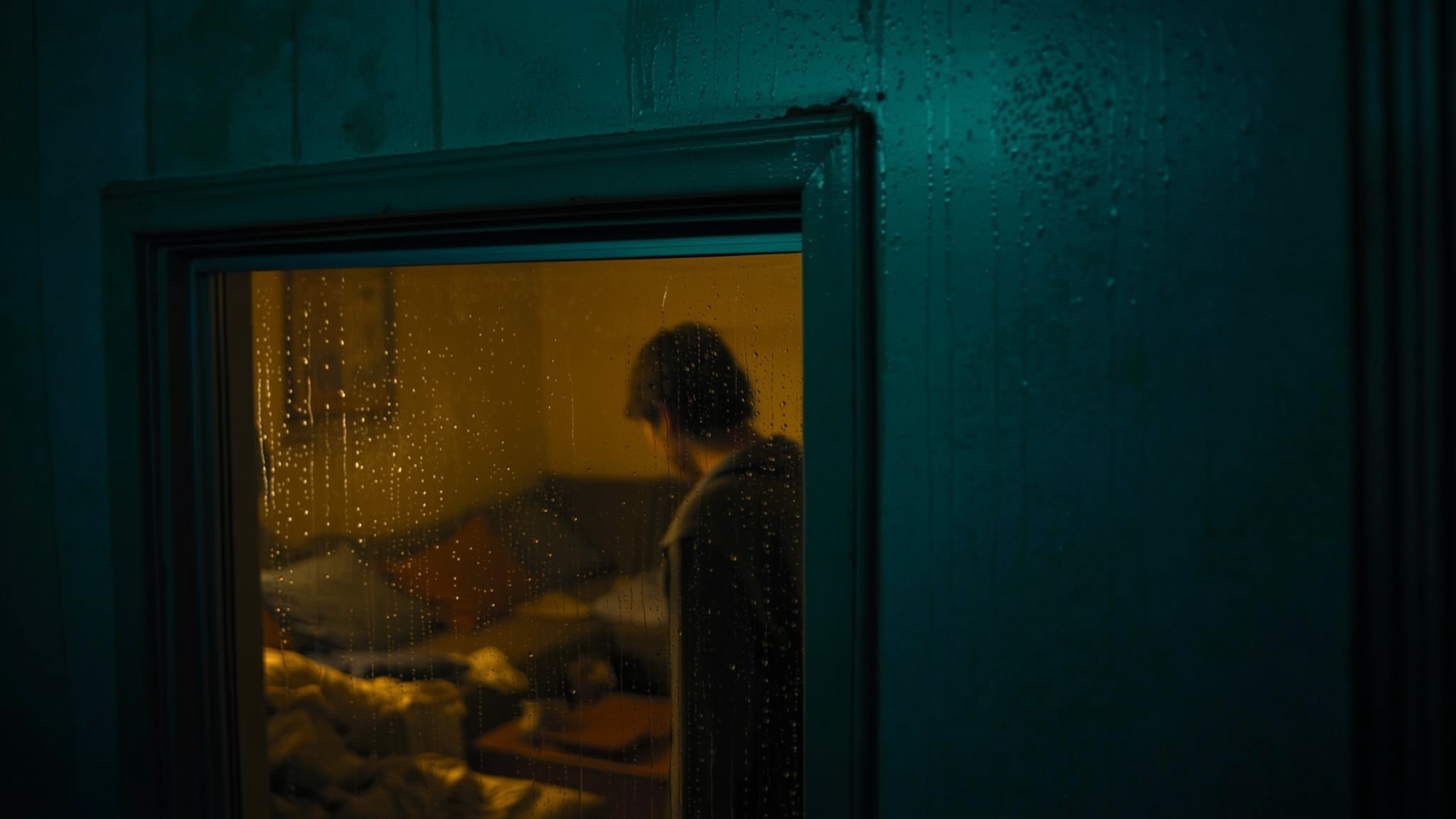
At first, it is only a small change in the air. The streak ends. The old thing returns. You sit there asking, quietly, why the weather found the same window again. You call it a discipline problem because that is the nearest explanation. Still, the timing is strange: the urge seems to gather when you are tired, unseen, pressured, hollow. You want a life you can trust. Another part of you keeps watching the sky.

The weather gathers before you name it a storm.

Feeling

The Room You Keep Re-Entering

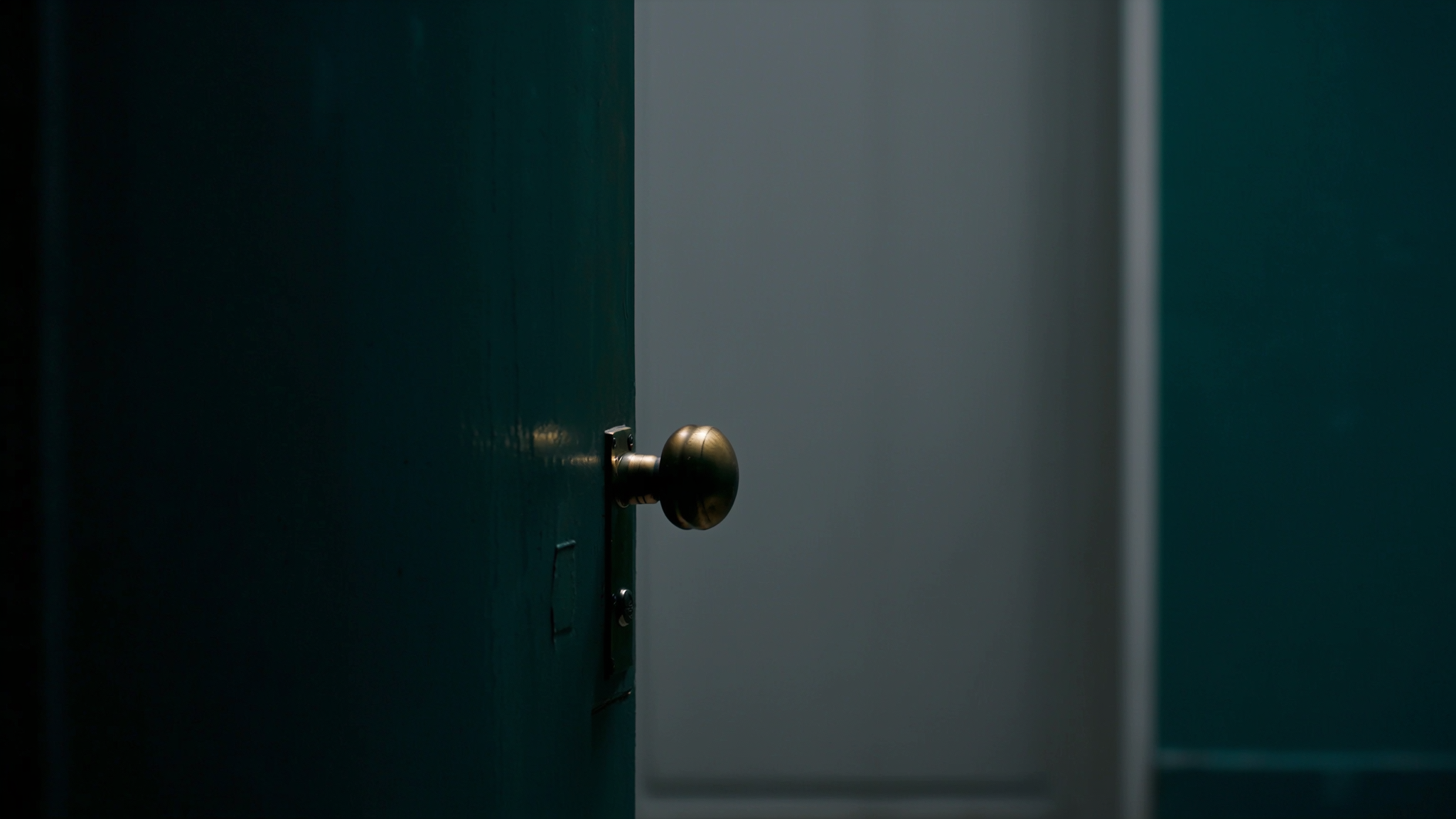
You know the room. You hate that you know it. After the relapse, you move through yourself like someone returning to a house they swore they had abandoned. The doorframe is shame. The floorboards remember every promise. Part of you wants to tear the place down; part of you reaches for the lamp because, exposed to the cold of change, the old shelter still feels usable. That is the contradiction: you are trying to leave a structure that once protected you from standing outside with nowhere to go.

Some rooms are built from what you could not bear to feel outside.

Mechanism

Shame Is Part of the Machine

Now look at what you keep doing. You relapse, then you prosecute yourself, as if enough contempt will finally make you clean. It does not. It tightens the system. Shame drops into the gears. The machine heats up. The part of you that wants freedom demands control; the protective part demands relief, now, before the pressure climbs any higher. Through this beat, it wins. It keeps winning because you keep attacking the habit while feeding the engine that makes relief feel urgent.

The machine wins when punishment becomes its fuel.

Evidence

The Moment Before Failure

Observed pattern: relapse does not appear randomly. It concentrates after depletion, resentment, loneliness, boredom, emotional overload, or the collapse that follows prolonged restraint. Reported story: “I failed when I opened the app, poured the drink, ate the thing, sent the message, started the scroll.” Contradictory data: the sequence began earlier. Facial tension. Shallow breath. Private bargaining. The claim “I didn’t care” does not match the record. More accurate entry: “This removes the feeling fastest.” The mirror does not flatter the cycle. It timestamps it.

The mirror timestamps the lie before the hand moves.
Realisation

The Bodyguard Beneath the Habit

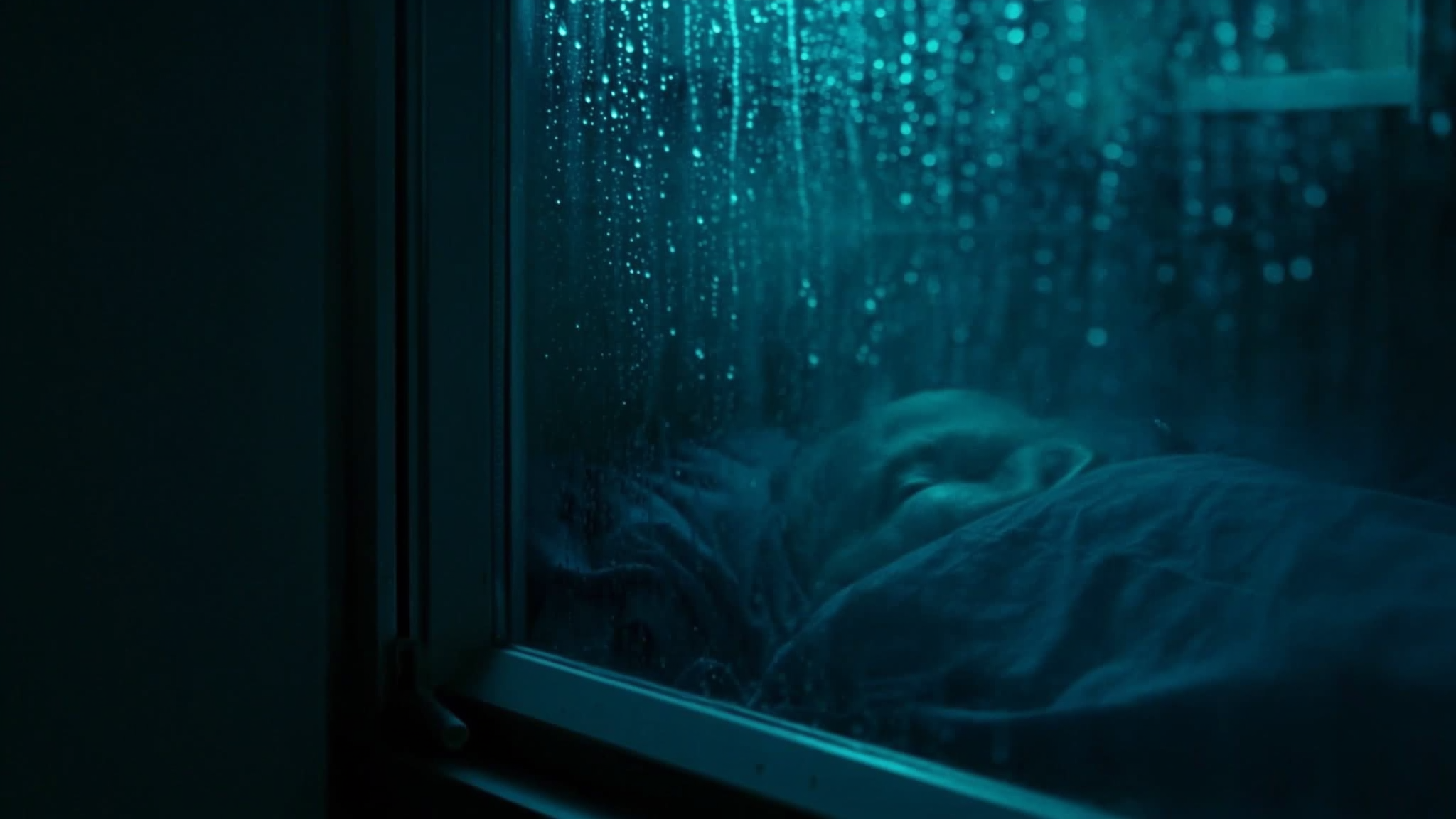
Here it is. No distance now. The habit is not the deepest thing. It is standing in front of something. Emptiness after effort. Panic when no one is watching. Grief after being good. Rage from holding yourself together. You wanted freedom. The protector wanted anesthesia. It chose tonight over tomorrow. Again. The collision lands: you were fighting the bodyguard and missing the wound.

The bodyguard was guarding the wound, not the habit.

Resolution

The Door Opens Earlier

Release begins after the truth has done its damage. You stop treating the relapse as the first event and start looking for the first signal: the tightening, the loneliness, the resentment, the silent bargain, the need that arrived before the craving wore its face. The protective part does not have to drag you back when you answer sooner. Not with louder vows. With earlier contact. Name the state. Meet the need. Choose relief that does not send the bill to tomorrow.

Morning arrives when you answer the need before the old door opens.

The weather gathers before you name it a storm. Some rooms are built from what you could not bear to feel outside. The machine wins when punishment becomes its fuel. The mirror timestamps the lie before the hand moves. The bodyguard was guarding the wound, not the habit. Morning arrives when you answer the need before the old door opens.

Evidence

FAQs

Does relapse mean I have no willpower?
No. It means the habit is tied to a state your nervous system has learned to escape quickly.
Where should I look when the cycle repeats?
Look earlier than the relapse itself: fatigue, loneliness, pressure, resentment, panic, boredom, or the moment you began pretending you were fine.

Understand it on screen

Watch on YouTube →

Related journeys

Why do I replay conversations at night and imagine what I should have said?Why do I replay conversations at night and imagine what I should have said?Why does rejection physically hurt in my chest and stomach?Why does rejection physically hurt in my chest and stomach?Why am I scared of becoming successful?Why am I scared of becoming successful?Why do I replay embarrassing memories and regrets at night?Why do I replay embarrassing memories and regrets at night?Why do I feel lonely even when I’m around friends or family?Why do I feel lonely even when I’m around friends or family?Why do I feel addicted to overthinking?Why do I feel addicted to overthinking?