Question
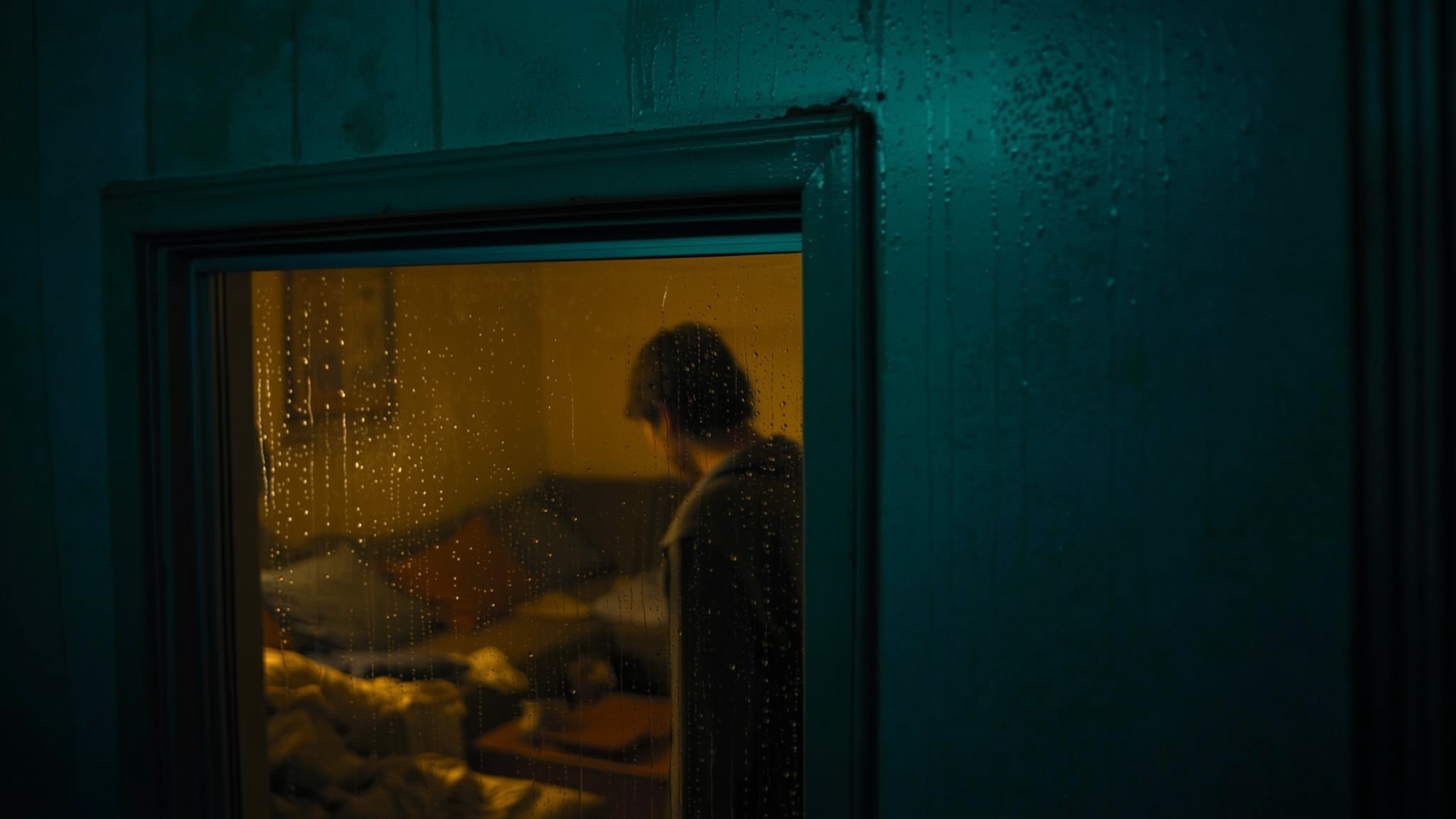
At first, there is only weather. A low pressure behind the ribs. The room is dark; the conversation is technically finished; one sentence keeps returning with the patience of rain on glass. You listen to it, not yet panicked, not yet persuaded. If the moment has passed, why does the mind keep checking the sky as though the storm can still be negotiated?
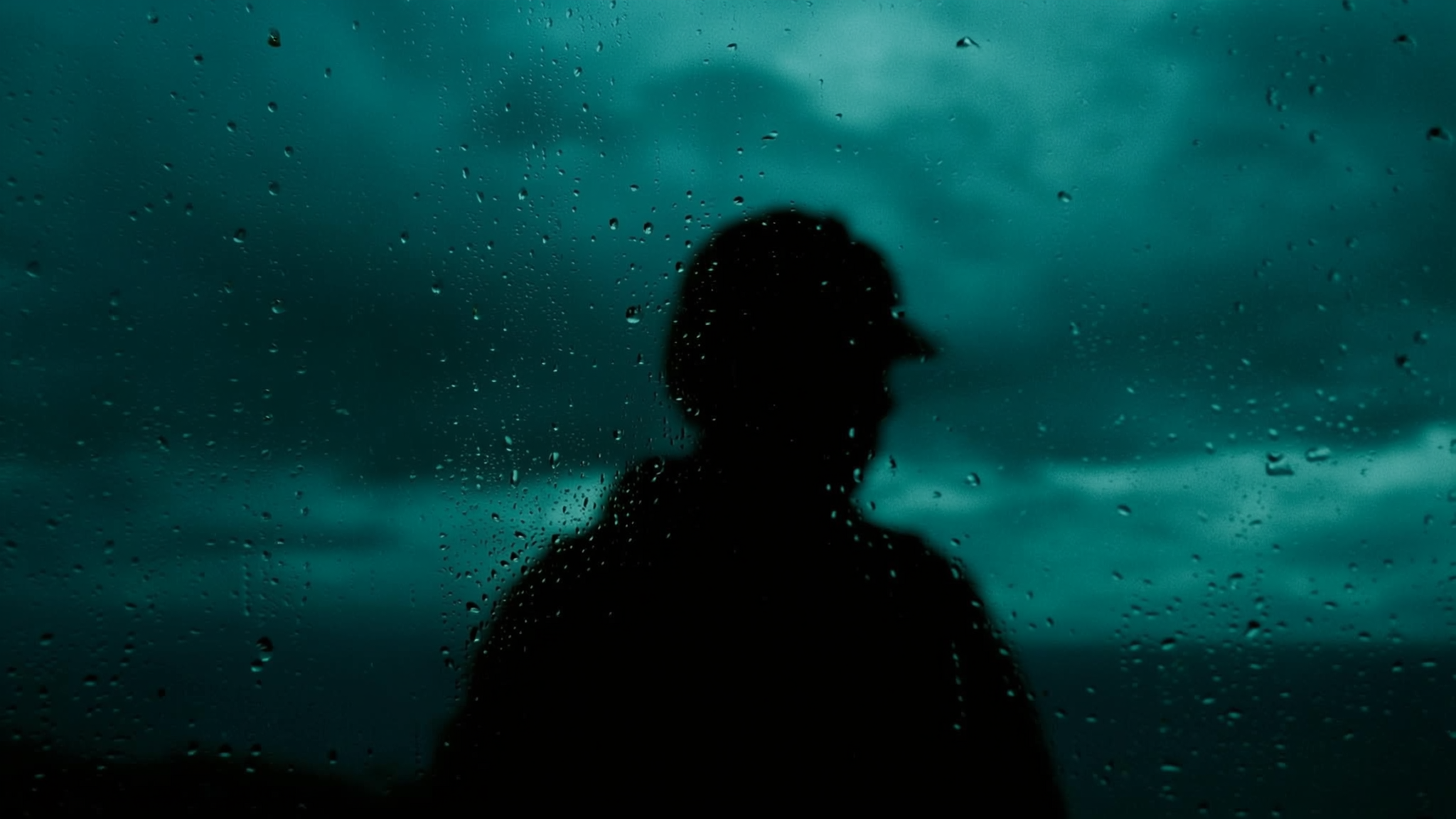
A low front gathers behind the closed glass.
Feeling
Then it gets personal. Not the argument. Not the pause. You keep touching the place where your meaning slipped out of its clothes. You imagine the sentence you should have built: cleaner, sturdier, impossible to misunderstand. In your mind, it becomes a doorway. Walk through it and they finally see you. Stay outside it and some lesser version of you remains in the room with them.
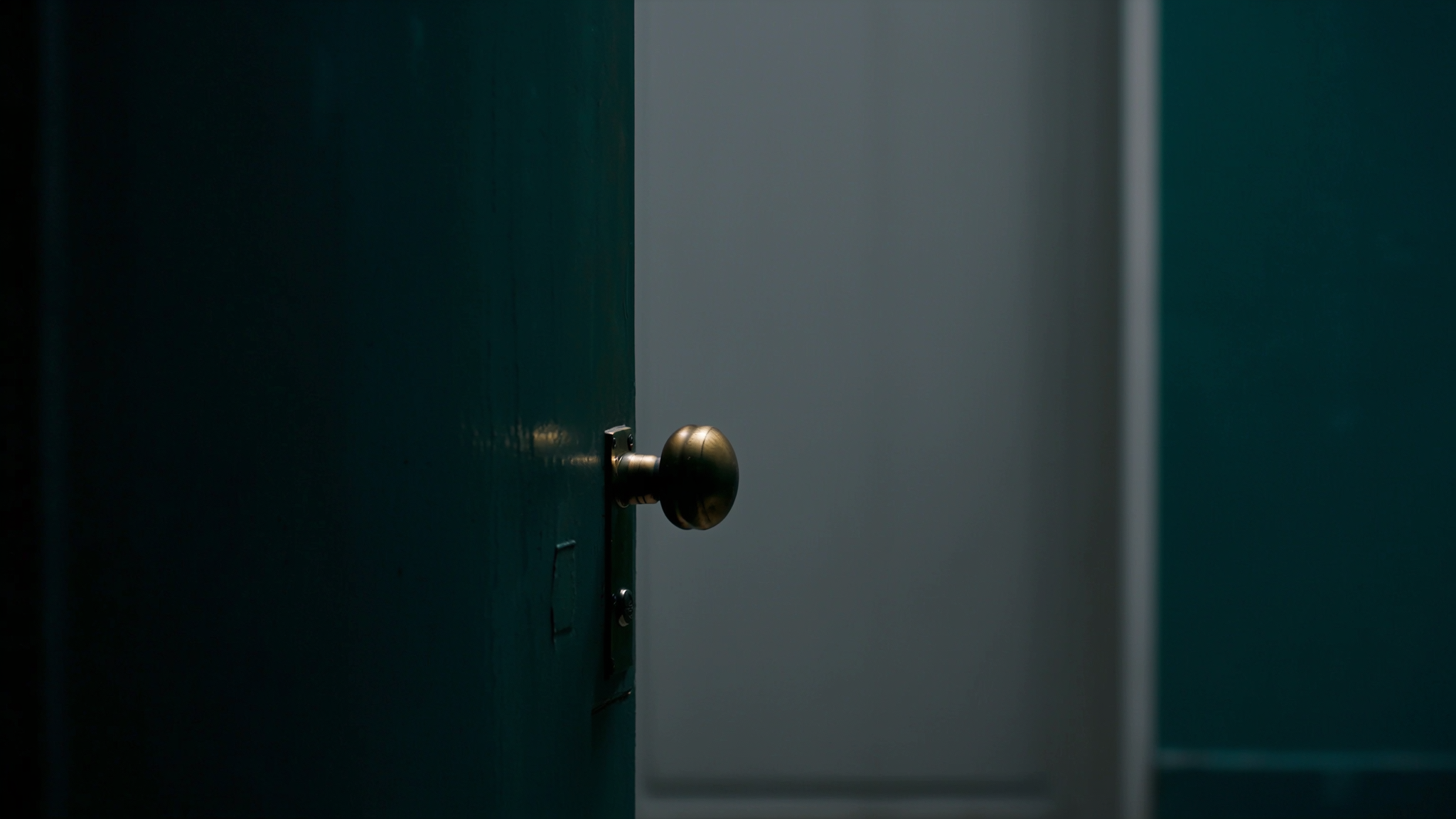
The hallway keeps every door you did not open.
Mechanism
No. This is not insight. This is control dressed as analysis. You are not reviewing the scene; you are trying to seize the record. The protective part takes over here. It drags the conversation onto the bench, rewinds the tape, sharpens the sentence, demands another hearing. Sleep is paid out. Peace is paid out. Still it says: again. One more version. One more edit. One more chance to make them remember you correctly.
The engine feeds on sleep and names it evidence.
Evidence
Observed plainly: the loop survives because it manufactures the threat it claims to measure. There is no new witness present, so the mind substitutes a model. That model is built from sensitivity to rejection, memory fragments, tone detection, and fear. The self-deception is specific: you call the replay accuracy, but you are asking an internal mirror to report another person’s mind. The protective system wins by producing a more detailed uncertainty.
The witness in the glass has your pulse, not theirs.

Realisation
Here. This is the break. The sentence was never the center. The terror is access. You cannot enter their mind. You cannot stand beside the version of you they kept. You cannot cross-examine it, polish it, defend it, replace it. A wrong impression may live without your permission. That is what the night has been trying not to know. Not that you spoke badly. That you are not sovereign there.
The bridge fails at the border of another mind.
Resolution
Release is not winning the case. It is ending the trial. If there is a real repair, you can make it in daylight: clarify, apologize, ask, speak once with a steady mouth. If there is only the imagined courtroom, you do not have to keep appearing. The protective part can stand down because it has finally named the impossible task. You were trying to manage a private weather system inside someone else. Now the room returns. The bed returns. The night loses its audience.
Dawn enters when the trial is no longer yours to win.
Why does rejection physically hurt in my chest and stomach?
Why am I scared of becoming successful?

Why do I replay embarrassing memories and regrets at night?
Why do I keep going back to bad habits after I stop?
Why do I feel lonely even when I’m around friends or family?

Why do I feel addicted to overthinking?